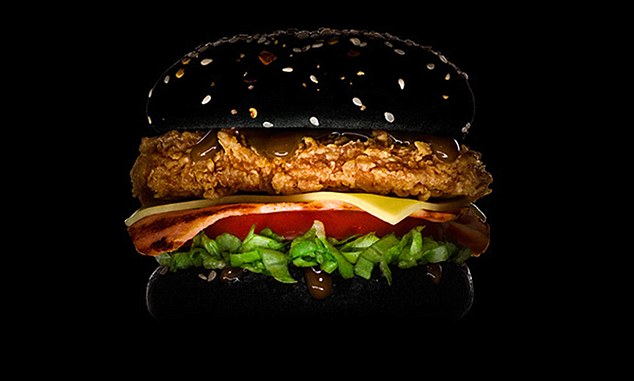
A miracle, of sorts, happened over the Easter weekend – I was lured into KFC for the first time in 10 years.
As a dedicated foodie (low-grade restaurant critic and food fad follower) and partly health-conscious parent, major fast food outlets like KFC or McDonald’s are anathema.
But a viral social media campaign for a black chicken burger – somehow – totally got into my head.
The ‘black zinger’, something that sounds like a banned firework or a fable whispered at bedtime, was KFC’s attempt to wrest back some of the momentum from the street food chefs and post-modern iterations of food vans that have sprung-up everywhere, reinventing and reinvigorating notions of fast food.
And with burger wars going on in Sydney, London, New York and most of the world’s capitals, it’s hard to avoid becoming a half-arsed expert on the subject.
Every hot new chef on the scene wants to outgun the opposition with not only the best ingredients, but also the most Instagrammable photo of a luxuriantly over-the-top burger, oozing melted cheese and grease from the griddle.
It’s made me and a lot of other bored consumers suckers for the next big experience in food, whether it’s a burger stuffed between ramen noodles, a kilogram wagyu pattie or a brisket topper that has been smoked in a plastic bag (this has really been done) and handed to you in a cloud of charcoal fumes.
And along the way an interesting thing has happened. The big fast food chains, who were determinedly reducing their calorie count in the face of decades of bad press about the poor nutritional value of their menus, have fallen off the diet wagon.
They are still selling salads and fruit and have, over time, toned down some of their ingredients, but they are now peddling unashamedly fatty meals.
At McDonald’s you can load up those insipid French fries with bacon bits and melted cheese to blow an extremely large hole in your daily allowance of calories, cholesterol and fat.
Gone too is any embarrassment over that legacy of unhealthy eating that spawned Morgan Spurlock’s cringingly-watchable 2004 doc Super Size Me on the negative health consequences of a steady diet of Maccas.
Instead the company is falling over itself to win a piece of the booming comfort food market, and introducing an all-day breakfast menu (following the growing trend for brunches).
KFC, who carried out one of the most successful rebranding exercises in corporate history, seamlessly dropping the (unhealthy sounding) ‘fried chicken’ from their name in favour of a hip hop style contemporary abbreviation, is following suit.
They have even started using the figurehead Colonel Sanders in their advertising again – something not seen in 21 years. The company, which three years ago, recorded a 15% plunge in profits has since turned the business around by plugging into the social media generation and better engaging people like me.
And so it was I came to be sitting in the restaurant’s Arncliffe branch on the Princes Highway on Easter Sunday. I’d already driven my kids nuts with two days of crooning Iggy Azalea’s Black Widow, but substituting ‘black zinger’, so they were happy just to see me get on with it.
The less than subtle online advertisements show a burger that looks like it’s been forged in the fires of hell, with a lustrous teak-tough bun and the rest looking like some Pixar Studios creation of verdant lettuce and oozing juices.
The ‘black zinger’ itself is a chicken burger in a bun stained black with vegetable carbon. The bun is dotted with nigella seeds and in between is one of KFC’s trademark spicy chicken fillets, chilli flakes, lettuce, tomato, cheese, bacon and mustard & maple sauce.
Essentially it’s a chicken burger – that’s black.
There’s nothing else to it. That’s it.
Call it a triumph of advertising.
Anyway, you kind of expect franchise food to look nothing like the expertly cooked, photographed and tweaked version in the ads, but even so I was a bit underwhelmed when I opened the box.
I’ve become so accustomed to fancy burgers created with indulgent care that a production-line job just doesn’t seem to sit together right. The different elements are like a plastic toy that just slides apart, and that’s what the ‘black zinger’ looked like.
It’s a fair enough concept, even tasted good, but it lacked that personal short-order chef attention to detail to get it over the line.
The bun looked like sponge cake and was a little like sponge, the bacon didn’t look fried (baked, poached maybe?), the cheese wasn’t melted and the sauce was on the base rather than poured over the top.
Unfortunately for KFC to compete with the Juicy Lucy’s or the Mister Gee’s of the world it needs a guy or gal on a griddle toasting the bun and warming the cheese as it’s assembled and dousing it with sauce so the whole thing sits together properly. That’s something that in a high-turnover environment like the one they have, is not going to happen.
But the attempt to disrupt or, at the very least, ride on the coat tails of what is happening in the low-brow dining market shows that the big firms are worried and conscious that if they don’t change they risk losing the market.
 rtg
rtg 